
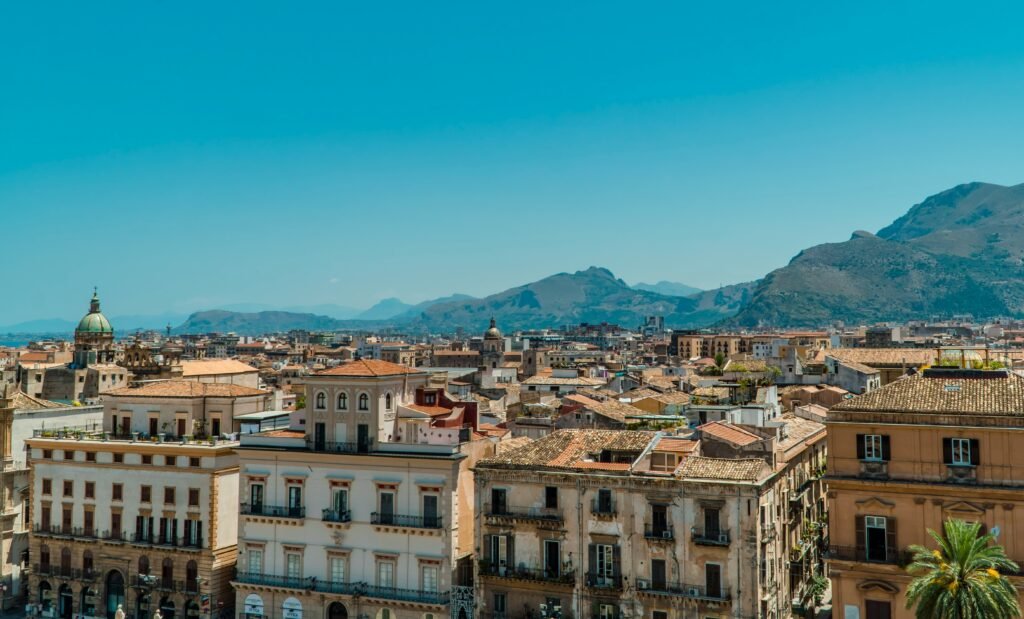
Palermo is a city that is difficult to experience in just one way. Its streets bring together centuries of history, Arab-Norman architecture, lively markets, Mediterranean flavours and a distinctly Sicilian way of life.
For many visitors, Palermo is the starting point for discovering western Sicily. But the city itself deserves more than a quick stop. From its historic centre to its street food markets and seaside neighbourhoods, Palermo offers a mix of culture, food and everyday life that makes it one of the most fascinating cities in Sicily.
In this guide, we will explore Palermo’s essential sights, local food, neighbourhoods and some of the best places to discover beyond the city.
Palermo at a Glance
Location: Northern Sicily
Recommended stay: 2–3 days
Known for: Arab-Norman architecture, historic markets, street food and cultural heritage
Nearby: Mondello, Monreale and Cefalù
Best way to explore: On foot and by public transport
Why visit Palermo?
Palermo is a city of contrasts. Grand churches stand alongside lively street markets, elegant historic buildings sit next to colourful neighbourhoods, and centuries of history are woven into everyday Sicilian life.
What makes Palermo particularly interesting is the mix of cultures that has shaped the city over time. Arab, Norman, Byzantine and Spanish influences can still be seen in its architecture, food and traditions.
But Palermo is not only about monuments. One of the best ways to experience the city is simply to walk through its streets, stop at a local market, try some street food and take in the atmosphere. This combination of history, food and everyday life is what gives Palermo its distinctive character.
The best things to see:
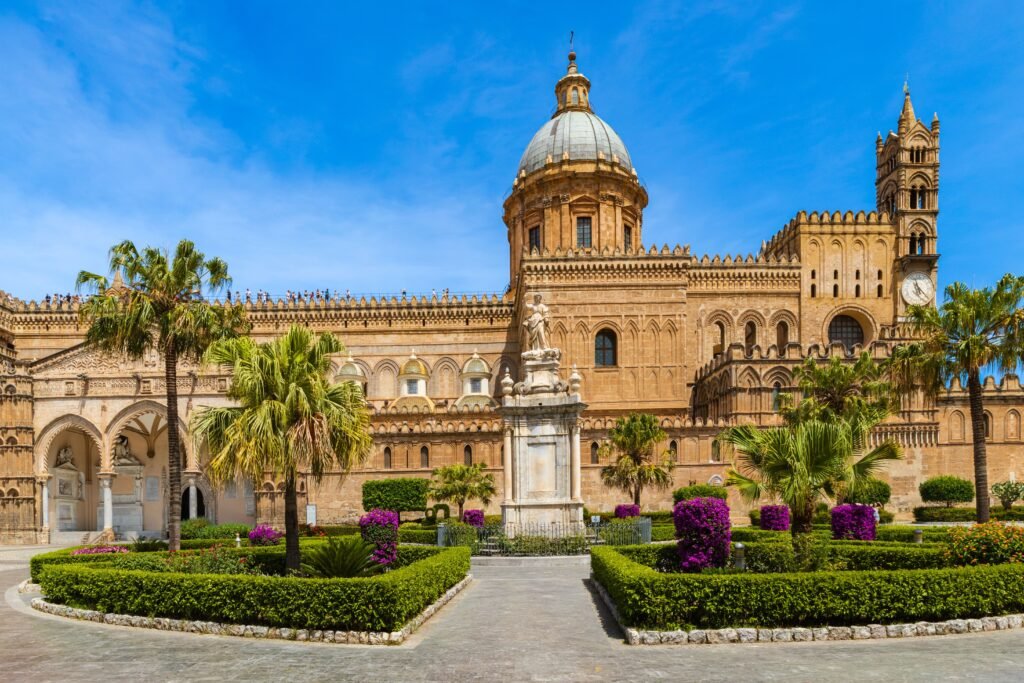
Palermo Cathredral
Palermo Cathedral is one of the city’s most impressive landmarks and a great place to start exploring the historic centre. Its architecture reflects the many cultures that have shaped Palermo, with Norman, Arab, Gothic and Baroque influences visible across the building.
Take some time to walk around the cathedral from different angles before heading inside. If you want a panoramic view of Palermo, you can also climb to the rooftop terraces, where you’ll get a different perspective over the historic centre.
Quattro Canti
At the heart of Palermo’s historic centre, Quattro Canti is one of the city’s most recognisable crossroads. Four elegant Baroque façades frame the intersection of two of Palermo’s main streets, creating a striking architectural setting.
The square is especially beautiful in the late afternoon, when the changing light brings out the details of the façades. From here, you are also within easy walking distance of several of Palermo’s main sights.
Palazzo dei Normanni & Palatine Chapel
The Palazzo dei Normanni is one of Palermo’s most important historic buildings and one of the finest examples of the city’s Arab-Norman heritage. The palace has served different rulers and functions throughout its long history and is still home to the Sicilian Regional Assembly.
Inside, don’t miss the Palatine Chapel. Its richly decorated interior combines Byzantine mosaics with Arab and Norman architectural elements, creating one of the most remarkable interiors in Palermo.
Teatro Massimo
Teatro Massimo is Palermo’s grand opera house and one of the most recognisable buildings in the city. Its monumental staircase and neoclassical architecture make it worth seeing even if you do not attend a performance.
You can visit the interior on a guided tour, or simply stop by the main entrance while exploring the surrounding streets. The square in front of the theatre is also a lively meeting point, especially in the evening.
The Markets
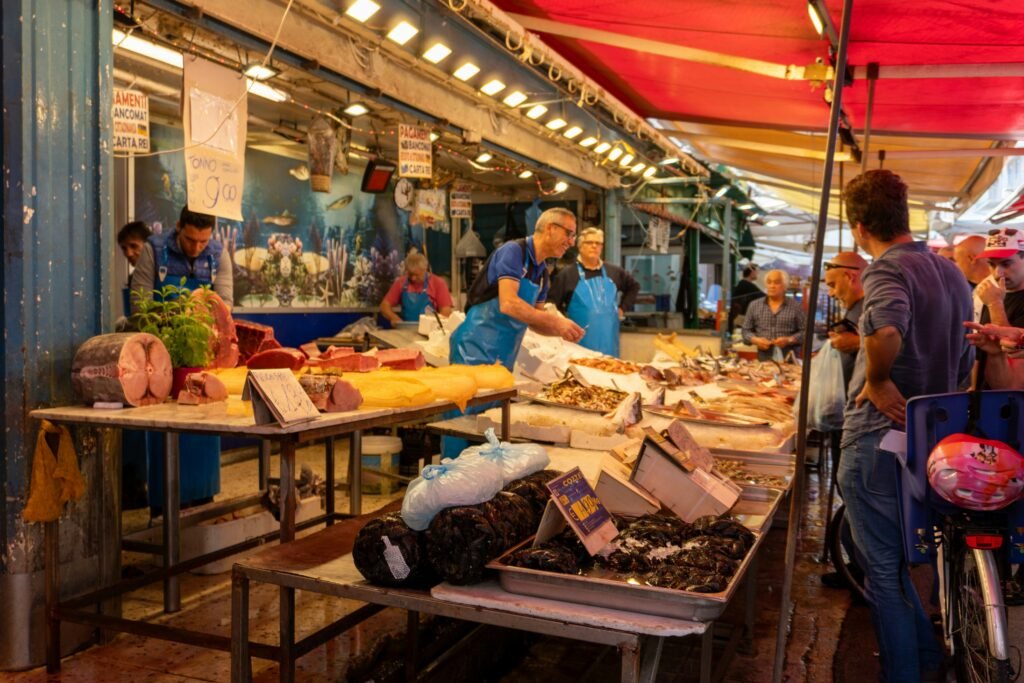
Palermo’s historic markets are one of the best ways to experience the city’s everyday atmosphere. Ballarò, Capo and Vucciria each have their own character, with food stalls, small shops and vendors selling fresh local products.
Come hungry and take your time. This is the place to try some of Palermo’s most famous street food while watching the city go about its daily life. For a more authentic experience, visit earlier in the day, when the markets are at their liveliest.
Where to stay?
Choosing where to stay in Palermo can make a big difference to your experience of the city. We’ve selected three places that stand out for different reasons, from location and character to overall value.
Best for location
Hotel Name
A well-located stay with plenty of character, ideal for exploring Palermo’s historic centre on foot.
Best for location
Hotel Name
A well-located stay with plenty of character, ideal for exploring Palermo’s historic centre on foot.
Best for location
Hotel Name
A well-located stay with plenty of character, ideal for exploring Palermo’s historic centre on foot.
The best neighborhoods to explore
Kalsa
Kalsa is one of Palermo’s most atmospheric neighbourhoods and a great area to explore on foot. Located in the historic centre, it is filled with historic buildings, small streets, churches and lively squares.
Take your time walking through the neighbourhood rather than following a strict route. You’ll find some of Palermo’s most interesting architecture here, as well as cafés, restaurants and quieter corners away from the busiest streets.
La Vucciria
Around La Vucciria, Palermo’s historic centre takes on a lively and distinctly local atmosphere. The area combines narrow streets, historic buildings, small bars and restaurants with some of the city’s most popular evening spots.
It’s a good area to explore towards the end of the day, when the streets become more animated. Stop for a drink, try some local food and enjoy the atmosphere rather than rushing from one sight to another.
Politeama & Via Libertà
For a more elegant and spacious side of Palermo, head towards the Politeama area and Via Libertà. The neighbourhood is characterised by grand buildings, shops, cafés and wide streets, offering a contrast to the narrow lanes of the historic centre.
The area is also a convenient base for exploring Palermo, with many restaurants and hotels nearby. Piazza Ruggero Settimo, in front of the Teatro Politeama, is a good starting point for a walk along Via Libertà.
Mondello
Just outside central Palermo, Mondello offers a completely different side of the city. This seaside area is known for its sandy beach, turquoise water and elegant Art Nouveau villas.
It is an easy escape when you want to combine sightseeing with some time by the sea. During the warmer months, Mondello can get busy, so visiting earlier in the day can make the experience more relaxed.
What to eat?
Palermo is one of Sicily’s great food cities, with a street-food culture shaped by centuries of different influences. These are five local specialties worth trying while you’re here.
Arancine
Palermo’s iconic fried rice balls,
traditionally filled with ragù (carne)
or ham, cheese and béchamel (burro). You’ll find them in bars and
rosticcerie throughout the city.
Panelle
Thin chickpea fritters, usually served hot in a soft sesame roll with a squeeze of lemon. Simple, inexpensive and one of Palermo’s most traditional street foods.
Sfincione
Palermo’s traditional thick, soft focaccia-style street food, typically topped with tomato, onion, anchovies, cheese, breadcrumbs and oregano.
Pasta con le sarde
One of Palermo’s signature pasta dishes, combining sardines, wild fennel, raisins and pine nuts in the sweet-and-savoury style typical of Sicilian cooking.
Cannoli
Crisp fried pastry shells filled with sweetened sheep’s milk ricotta. For the best texture, look for a pastry shop that fills the cannolo when you order it.
Pani câ meusa
One of Palermo’s most distinctive street foods: a soft sesame roll filled with spleen and lung, traditionally served plain or topped with grated cheese.
How many days do you need?
For most first-time visitors, two or three full days is a good amount of time to spend in Palermo. Two days will allow you to see many of the highlights of the historic centre, visit the main markets and experience some of the city’s food culture without rushing too much.
With three days, you can explore at a slower pace and venture beyond the main sights. You might spend some time in less-visited neighbourhoods, visit Mondello, or simply leave room for the unplanned stops that often become the most memorable part of a stay in Palermo.
If Palermo is your base for exploring western Sicily, staying four or more nights can also make sense, particularly if you plan to take day trips to places such as Monreale or Cefalù.
When is best time to visit Palermo?
Spring and early autumn are excellent times to explore Palermo. The weather is generally better suited to walking around the historic centre than during the hottest part of summer, while the days are still long enough to spend plenty of time outdoors.
Summer has its advantages, particularly if you want to combine Palermo with the coast and places such as Mondello. July and August, however, can be very hot, so sightseeing is often more comfortable in the morning and later in the day.
Winter offers a quieter experience and can work well for a city-focused trip, especially if food, architecture and museums are your priorities rather than the beach. Whatever the season, Palermo is much more than a summer destination.
Experiencies in Palermo
Some of Palermo’s best experiences go beyond simply visiting its landmarks. We’ve selected three ways to discover more of the city’s food, history and local character.
FOOD & WINE
Palermo Street Food Tour
Explore Palermo’s historic markets and discover the street foods that define the city, from arancine and panelle to other local specialties.
LOCAL EXPERIENCE
Palermo Markets & Local Life Tour
Explore Palermo beyond its monuments, walking through historic markets and lively neighbourhoods while discovering the traditions and everyday life that give the city its character.
Getting around Palermo
Palermo’s historic centre is best explored on foot, but public transport, taxis and a few useful connections make it easy to reach places further away. Here’s what you need to know to get around the city.
On foot:
Walking is the easiest way to explore Palermo’s historic centre. Many of the main sights, markets and neighbourhoods are relatively close to one another, and exploring on foot also lets you experience the streets and smaller corners that are easy to miss from a vehicle.
Public transport:
Buses and trams connect the historic centre with areas further out, including parts of the city that are less convenient to reach on foot. Public transport can be useful for longer journeys, although for most sightseeing in the centre you will probably find yourself walking more than using it.
From Palermo Airport:
Palermo Airport is around 30 km from the city centre. The train is a convenient option for reaching Palermo Centrale and other city stations, while airport buses and taxis provide alternatives depending on where you are staying.
By car:
A car is not necessary for exploring central Palermo and can be inconvenient because of traffic, limited parking and restricted-traffic areas. If Palermo is part of a wider road trip around Sicily, consider leaving the car at your accommodation or in a suitable car park while exploring the centre on foot.
Summary
Palermo is not a city that needs to be experienced through a checklist. Its great monuments are worth seeing, but some of the best moments come in between them: walking through a market in the morning, stopping for an arancina, discovering a quiet church behind a busy street or sitting outside as the city changes pace in the evening.
Give Palermo enough time to reveal its different sides. Explore the historic centre, but venture beyond it too. Eat well, walk whenever you can and leave some room in your itinerary for places you did not plan to find.
For many travellers, Palermo is the first encounter with Sicily. It is also a very good introduction to what makes the island so compelling: layers of history, strong local traditions, remarkable food and a character that is entirely its own.